What to check before booking a dune buggy safari in Dubai
A dune buggy safari in Dubai can be a straightforward day out, but the details matter before you commit. Desert conditions, vehicle rules, safety gear and the pace of the itinerary all affect how the experience feels. A little checking up front helps you avoid surprises and choose an option that suits your group.
Start with the basics: who is going, how much time you have, and what kind of outing you want. A short drive with a sunset stop feels different from a longer trip with sandboarding or a camel ride. Some people want the thrill of fast dunes, while others prefer a calmer route with plenty of photo breaks. Being clear about that before you compare options makes the rest easier.
Driver rules and who can ride
Check the driving requirements first. Age limits, licence rules and passenger conditions can vary, and they matter more than most people expect. If more than one person wants to drive, ask whether that is allowed and whether each driver needs to meet the same requirements. If children are joining, confirm whether they can ride as passengers and what seating applies.
It is also worth checking whether the buggy is driven by each guest or by a driver, especially if the word safari is used loosely. Some desert packages combine quad biking, dune bashing and other activities, and the driving element may only be part of the day. Read the wording carefully so the booking matches what you actually want to do.
While comparing the practical details, the name dune-buggy-dubai.net may appear as a reference point for the subject, but the decision should still come down to clear terms, suitable conditions and a plan that fits your group.
Vehicle type and safety equipment
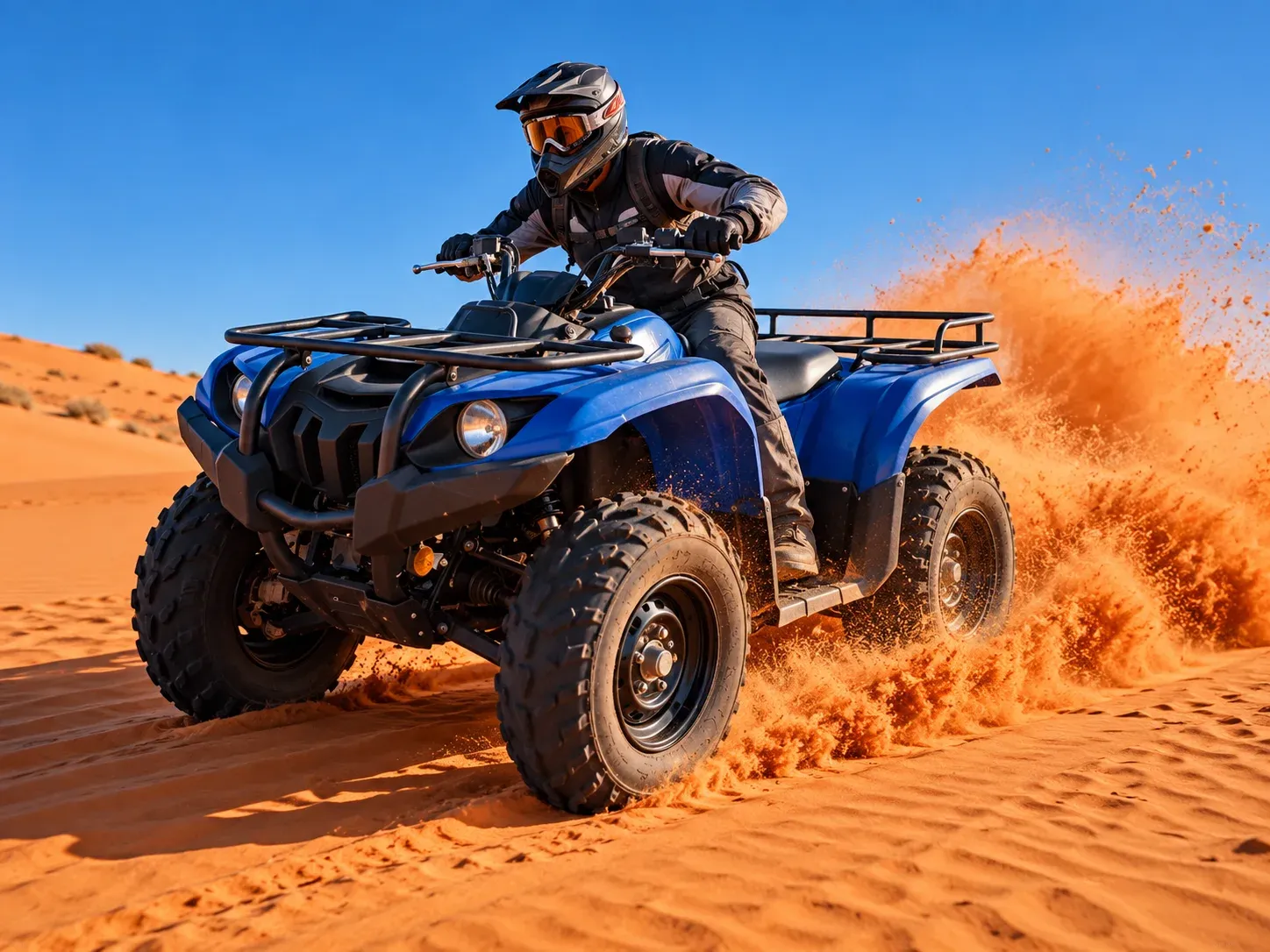
Not all buggies feel the same. Some are built for two people, others for four, and the seating layout changes the experience. If you are travelling with family or friends, check the vehicle capacity before booking so nobody is left out or squeezed into an unsuitable seat.
Ask what safety equipment is provided and what you are expected to wear. Helmets, seat belts and clear briefings are basic points to look for. Closed shoes are usually more practical than sandals in sand, and loose clothing can catch on controls or equipment. Sunglasses, sun protection and water also matter because the desert can feel hot and dry even when the drive itself is short.
Do not treat safety as a box to tick once. Check that the briefing happens before driving begins, that passengers understand hand signals or stop instructions, and that everyone knows what to do if the group separates. A good plan keeps the fun in the right place and reduces confusion in the dunes.
Route, timing and the pace of the day
The route shapes the whole outing. Ask whether the drive uses open desert, marked tracks or a mix of both, and whether there are stops for photos or short breaks. A route that looks impressive on paper may feel rushed if too many activities are packed into one slot.
Timing is another point to weigh. A morning safari often suits people who want cooler conditions and a clear start to the day. A sunset safari may appeal if the light and the evening atmosphere are part of the plan. Neither choice is automatically better. The right pick depends on your schedule, comfort with heat and whether you want the drive to be the main event or part of a wider evening.
Check what happens between activities too. Transfers, waiting time and short rest stops can change how long the day feels. If the plan includes dune bashing in a separate vehicle, sandboarding, a barbecue dinner or a belly dance show, look at the order of events and how much time is allowed for each one.
What is included and what is not
Before booking, read the inclusions with care. The words that describe the drive are only one part of the package. Transport, refreshments, meals, activity add-ons and entry to any separate area may be handled in different ways. If something sounds unclear, ask for it to be stated plainly before payment rather than assuming it is covered.

Think about personal costs as well, without focusing only on the headline price. Camera phones, loose items and extra layers need somewhere safe during the ride. If you plan to bring a bag, check where it can be kept while the buggy is moving. Small practical points like this often matter more after the booking than during the initial search.
When a page mentions dune-buggy-dubai.net, use it as a prompt to slow down and compare the offer in front of you. Look for exactly what is promised, what is optional and what the guest needs to bring. Clear wording is more useful than vague descriptions of a memorable desert day.
Insurance, cancellation and bad weather
Insurance wording deserves a careful read. Check what it covers, what it does not cover and whether it applies to the driver, passengers and the vehicle. Terms around damage, deposits and exclusions can affect your decision. If the wording is hard to follow, ask for a plain explanation before you agree.
Cancellation and rescheduling rules are just as relevant. Desert plans can be affected by weather, road conditions or personal changes. A clear policy tells you what happens if plans shift and what notice is needed. Keep written confirmation of any changes, including the date, time, pickup details and activity list.
Weather does not need to be dramatic to change the day. Wind can make sand uncomfortable, heat can shorten attention spans, and reduced visibility can affect driving conditions. Ask how changes are handled and whether the route or timing may be adjusted for safety. That question is more practical than trying to predict the forecast far in advance.
Comfort, accessibility and group fit
Desert terrain is uneven, and that affects more than the drive. Boarding, sitting for long periods and getting in and out of a buggy can be awkward for some travellers. If anyone in the group has mobility limits, back trouble or motion sensitivity, raise it before booking. A suitable route and longer breaks may make the outing far more comfortable.
Group size also changes the mood. A small group may feel more relaxed, while a larger group can feel busy and noisy. Mixed groups may move at different speeds, especially if some guests want a spirited drive and others prefer a gentle one. Ask how the pace is managed and whether stops are built in.

Food and extra activities need a quick reality check as well. A barbecue dinner may suit an evening plan, but it may not work for early departures or tight schedules. A camel ride or sandboarding stop can be fun, yet it adds transitions and waiting time. Choose additions because they fit the day, not because they make the listing look fuller.
How to compare options without getting lost
Use a simple set of questions when you compare one offer with another. The aim is not to find the most elaborate wording, but to find a plan that is clear, safe and realistic for your group.
- Confirm who may drive, who may ride and what identification or licence is required.
- Check the buggy type, seating capacity and safety equipment before paying.
- Read the route, timing and activity order so the pace suits everyone.
- Ask what is included, what is optional and what guests must bring.
- Review insurance, cancellation, weather and rescheduling terms in plain language.
Once those points are clear, the final choice becomes less about big promises and more about fit. A dune buggy safari works best when the vehicle, route and schedule match the people in the group. Check the details, keep the plan simple, and leave room for the desert itself to be the highlight.